
Connecticut’s Pedestrian Laws: What Drivers and Walkers Need to Know
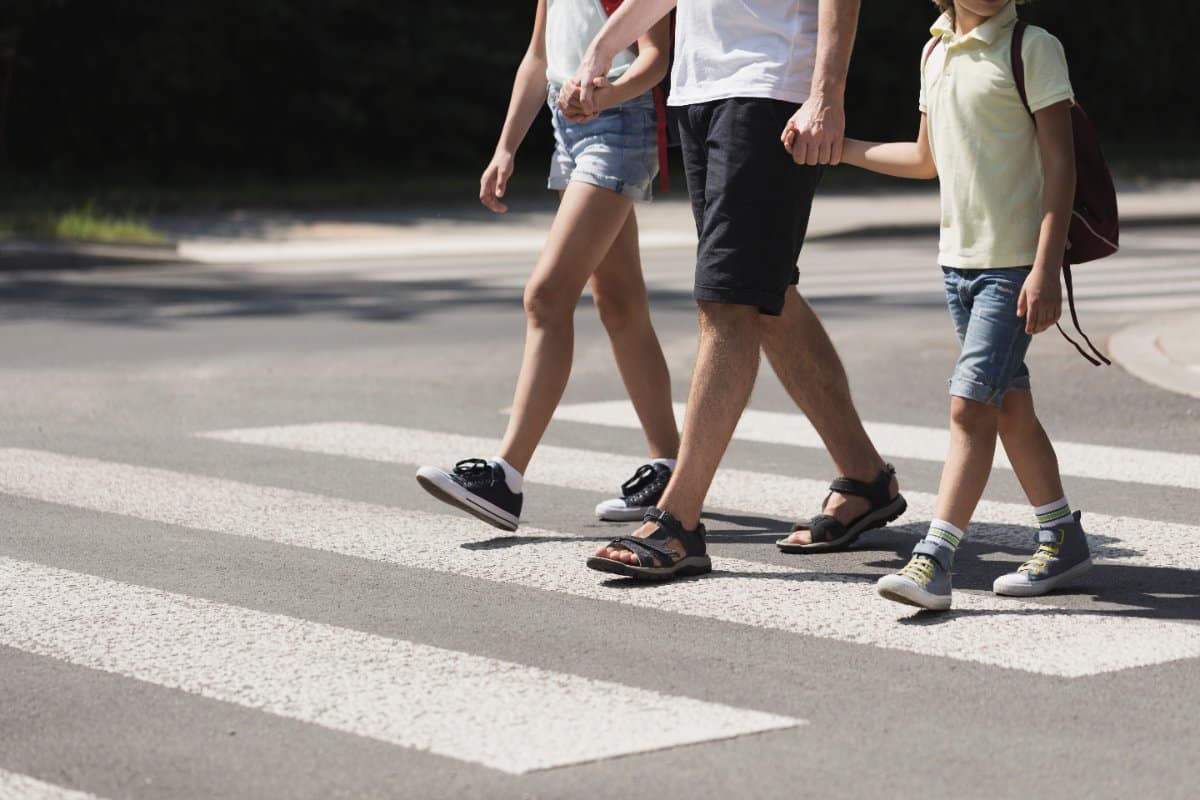 Connecticut law gives strong protections to pedestrians, but pedestrians also have obligations while walking the streets of Manchester, Bridgeport, and other Connecticut cities. When drivers, pedestrians, or both fail to uphold their legal responsibilities, preventable accidents happen. Whether you’re a driver or a pedestrian, understanding how these laws work can help you avoid collisions and potential legal issues.
If you’ve already been involved in a Connecticut pedestrian accident, it’s important to protect your legal rights and your health. Let’s discuss your case and come up with a plan. Call Barry, Taylor & Levesque, LLC today.
Do pedestrians always have the right of way in Connecticut?
No, pedestrians do not always have the right of way in Connecticut. While the state does put a major emphasis on pedestrian safety, right of way depends on the situation. Pedestrians usually have the right of way when they are crossing in a marked crosswalk, crossing in an unmarked crosswalk at an intersection, or following pedestrian traffic signals telling them it is safe to cross.
But there are many situations where pedestrians do not have the right of way. These include when they cross outside of a crosswalk, ignore traffic signals or cross against a light, or enter the roadway suddenly and without warning.
The law balances safety and responsibility. Yes, drivers have to remain alert and watch for pedestrians, but pedestrians also have to follow the rules of the road.
Connecticut crosswalk laws explained
A crosswalk includes both those that are marked with painted lines and those that are unmarked at intersections. Some pedestrians are struck by cars at unmarked intersections and are surprised to find out they enjoy the same protections under Connecticut law in both types of crosswalks.
Drivers are required to yield to pedestrians within crosswalks, stop when a pedestrian is crossing, and stay stopped until the pedestrian is no longer in their path of travel. Per state law, this includes anyone who is in the crosswalk or who has stepped to the curb and indicated their intent to cross via gestures.
On top of that, drivers cannot pass another vehicle that has stopped at a crosswalk to allow a pedestrian to cross. This is a common issue on busy multi-lane roads, where drivers may assume that someone has stopped in front of them to drop someone off instead of checking for pedestrians.
When and where pedestrians can legally cross the street
As a general rule, crosswalks (marked and unmarked) are the main areas where pedestrians can legally cross the street and have the right of way. Even then, at intersections with traffic signals, they must obey “walk” and “don’t walk” signs. If they choose to cross outside of a crosswalk, they must yield to oncoming traffic.
Connecticut’s laws on these matters aim to create predictable car and foot traffic patterns that minimize the risk of accidents.
Pedestrian responsibilities under Connecticut law
Pedestrians have a variety of duties under state law:
- Obey traffic signals and traffic control devices
- Use sidewalks when they are available
- Walk on the left side of the roadway or shoulder facing traffic if a sidewalk is not present
- Avoid stepping into the road suddenly or unexpectedly
Ignoring these rules can dramatically increase a pedestrian’s risk of being hit by a car. Additionally, if they are hit by a car, their choice to ignore right-of-way rules may be used against them if they pursue a personal injury claim.
What are a driver’s responsibilities toward pedestrians?
Drivers are in control of multi-ton vehicles that can cause serious or fatal injuries, so they have a duty to exercise reasonable care around pedestrians and other vehicles. The law requires them to yield the right of way at crosswalks, stay alert (especially in areas with heavy pedestrian traffic), slow down near busy areas, and avoid distractions while driving.
While not all of these requirements are enshrined in law, they are commonly accepted parts of exercising reasonable care while driving. If a driver does not take reasonable steps to avoid hitting pedestrians, they may face both traffic violations and civil liability.
Special considerations when visibility is low
Low visibility conditions like nighttime, fog, and rain can affect how easily a driver can see pedestrians. Connecticut law does not specifically address pedestrians’ obligation to stay visible during these conditions, but visibility can play a role in determining fault after an accident. For example, if a pedestrian is dressed in dark clothing at night and does not take steps to make themselves visible to drivers, they may have a very hard time securing full compensation if they are hit and the insurance company determines that the driver could not have avoided the accident.
Pedestrians can minimize their risk by wearing bright or reflective clothing, using a flashlight when walking at night, and avoiding going out when there’s minimal visibility.
What happens if a pedestrian is partially at fault?
It’s not uncommon for pedestrians and drivers to share fault after a pedestrian accident. Your personal injury attorney can help you gather evidence to prove the other party’s liability. But in case you are found partially liable, understanding Connecticut’s modified comparative negligence rule can help.
If someone seeking compensation is found partially at fault for an accident, they can still recover damages in Connecticut — as long as their percentage of fault is not greater than the combined fault of the defendants. If they fall below that threshold, their compensation is reduced proportionately to their share of blame.
Watch out for common causes of pedestrian accidents
As you navigate the streets of Connecticut, either as a driver or a pedestrian, keep the common causes of pedestrian accidents in mind. Doing so can help you protect yourself and others:
- Distracted driving
- Failure to yield at crosswalks
- Speeding in residential or urban areas
- Poor visibility
- Distracted pedestrians
- Pedestrians stepping out in front of vehicles without warning
Injured in a pedestrian accident? Call Barry, Taylor & Levesque, LLC
If you’ve been injured by a reckless or negligent driver, don’t wait any longer to find out if you may be owed compensation. Call us or fill out our online contact form to discuss your next steps with our team of experienced attorneys.

Attorney Ryan P. Barry’s civil practice focuses on personal injury, commercial litigation, workers’ compensation defense, municipal law, and NCAA investigations. Attorney Barry is also a seasoned criminal litigator, having handled hundreds of cases in Connecticut’s state and federal courts. Learn More